en
en
Information protection accompanying every step of life
Follow OHMIEX Intelligence for more valuable information to know early

Follow OHMIEX Intelligence for more valuable information to know early
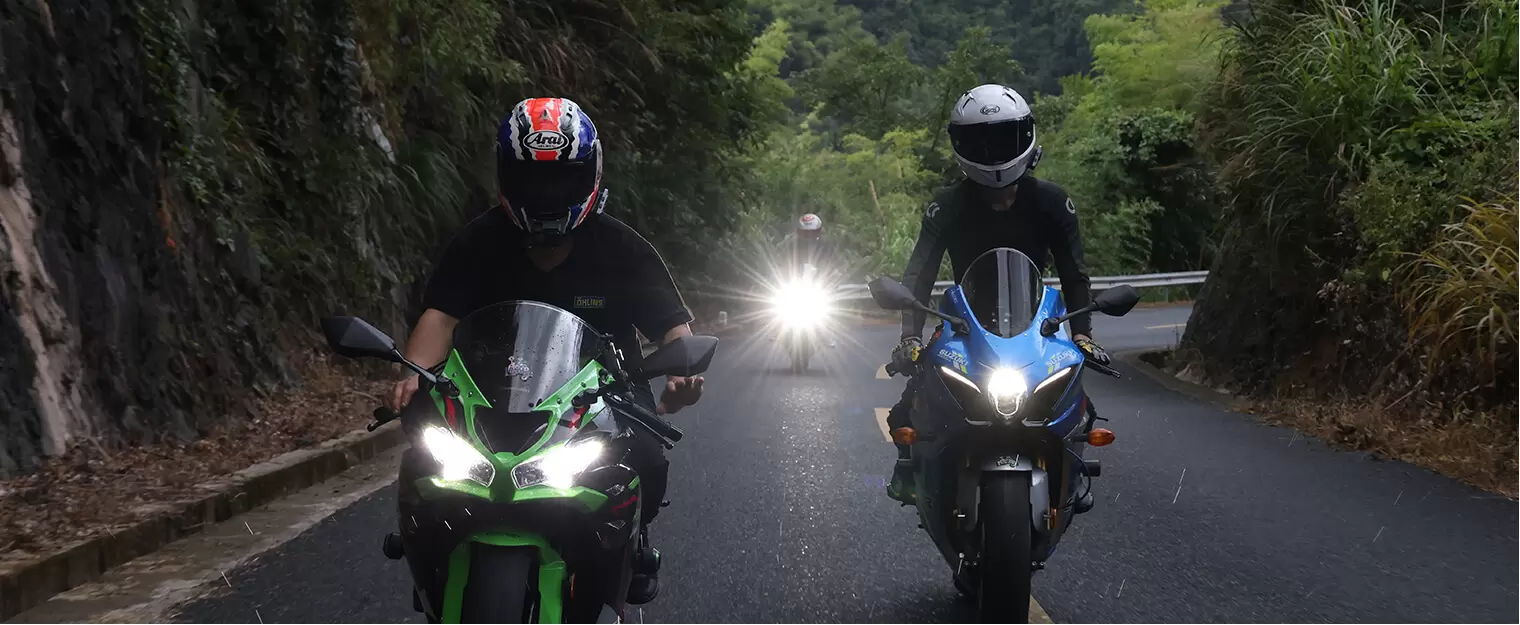
In product development, there is a moment every engineering team waits for but cannot fully predict: the moment when real users take the product into real conditions and quietly decide whether the early technical decisions were right or wrong. No internal test, no lab simulation, and no specification sheet can replace that judgment.
During a recent session with our channel and rider community, what stood out was not the compliments themselves, but the precision of the feedback. Riders were not talking about numbers, chipsets, or features. They were describing lived experiences—long days on the road, unpredictable terrain, wind, noise, distance, and group dynamics. In doing so, they validated some of the most critical, high-risk engineering choices made at the very beginning of the OHMIEX D9 project.
This article is not a feature list. It is a reflection on how user feedback became the most accurate calibrator of product direction, and what riders are truly paying for when they choose the OHMIEX D9.
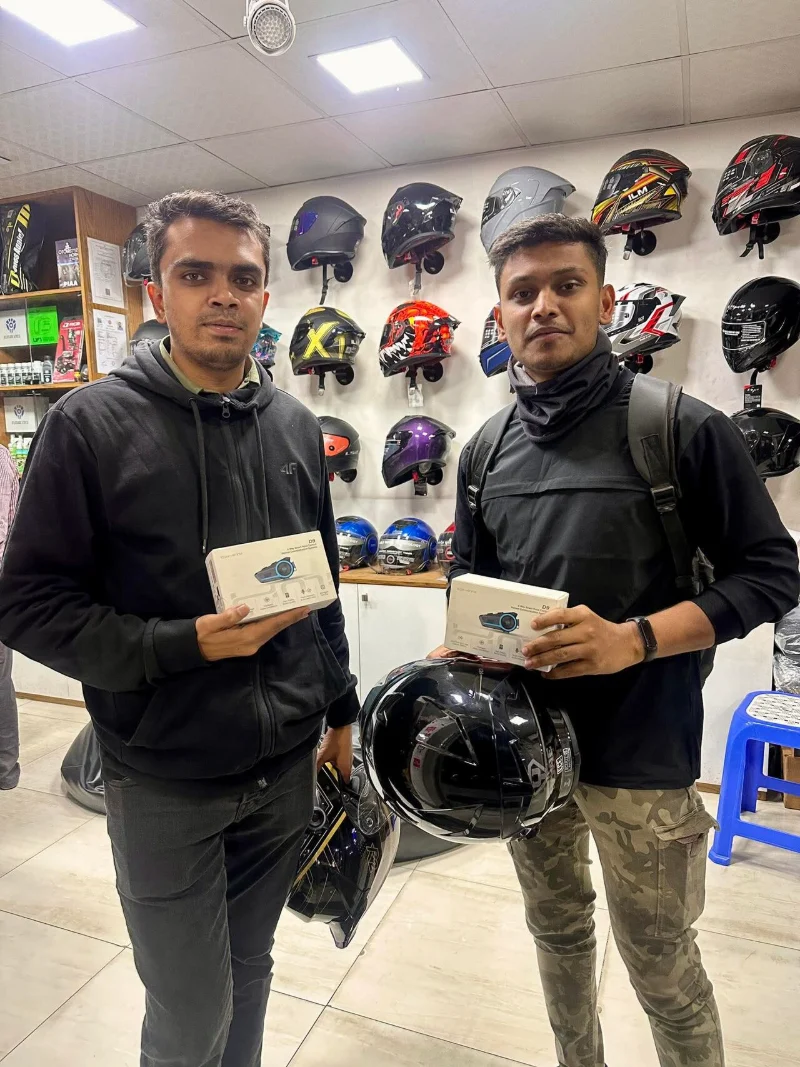
Most products can look impressive on paper. Battery capacity can be increased, features can be added, and performance metrics can be optimized in isolation. But riders do not experience products in isolation. They experience them in motion, under stress, over time.
From the outset, the guiding principle behind the OHMIEX D9 was simple but demanding: every technical decision must translate into a measurable improvement in real riding conditions. That meant prioritizing systems-level efficiency, environmental resilience, and long-term comfort over superficial upgrades.
User feedback has now confirmed that this approach aligned with what riders actually value.
One of the most consistent pieces of feedback from D9 users has been variations of the same statement: they completed full-day rides without thinking about power.
This feedback is significant not because of the words themselves, but because of what they imply. Riders were not managing battery life. They were not adjusting behavior to conserve power. They were not making compromises mid-ride.
From an engineering perspective, this validates a deliberate early choice: we focused less on raw battery capacity and more on intelligent power consumption. The D9 integrates low-power silicon with adaptive battery management algorithms, which dynamically respond to usage patterns, environmental noise, and connection load.
In practice, this means energy is spent only where it adds value—maintaining clarity, stability, and safety—rather than being wasted on idle processes. Riders may never see these optimizations directly, but they feel the result when endurance becomes invisible.
True battery performance is not measured by how large the battery is, but by how rarely the rider needs to think about it.
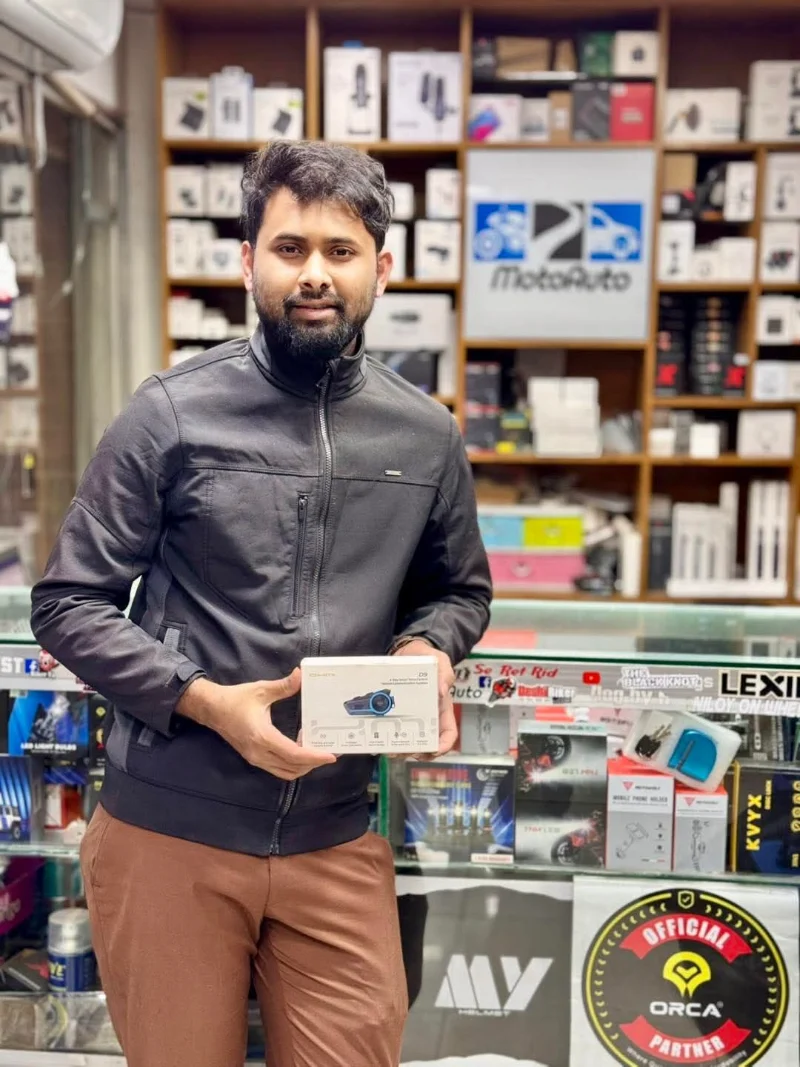
Connectivity feedback revealed another important truth: riders do not perceive communication as a feature; they perceive it as infrastructure.
Reports of stable connections through canyon runs, consistent performance across mixed device brands, and reliable group communication were repeated across multiple rider groups, typically ranging from four to six participants riding in varied terrain. These are scenarios where most systems struggle—signal reflection, elevation changes, and environmental interference all challenge wireless performance.
The D9’s connectivity stack was designed specifically to address these realities. Instead of optimizing for ideal conditions, it was tuned for worst-case scenarios. Redundancy, terrain-aware signal handling, and protocol resilience were prioritized so that connection stability could be treated as a safety baseline rather than a convenience.
User feedback confirms that this decision paid off. Riders described communication not as something they noticed, but as something they relied on. That distinction matters. When a system fades into the background, it is often because it is doing its job exceptionally well.
Perhaps the most telling feedback came from comments about comfort and sound quality. Riders noted that they forgot they were wearing the device, while still hearing speech clearly at speed and in high-wind conditions.
Achieving this outcome required two parallel engineering efforts. The first was ergonomic: weight distribution, contact pressure, and long-duration wearability were modeled and refined to minimize fatigue and awareness. The second was acoustic: noise cancellation and audio processing were driven by real-world riding data, not generic assumptions.
Wind noise, helmet resonance, and speed-dependent frequency shifts were analyzed to ensure that clarity was preserved without introducing artificial or fatiguing sound profiles. The result is not louder audio, but cleaner communication—speech that cuts through noise without demanding attention.
When riders say they “forgot” about the device, they are describing a design success that cannot be captured in specifications. Comfort and clarity are not accidents. They are engineered outcomes that require restraint as much as innovation.
Taken together, this feedback paints a clear picture. Riders are not paying for maximum values on a datasheet. They are paying for confidence: confidence that the device will last the day, stay connected when it matters, and disappear when it should.
This reinforces a belief that guided the OHMIEX D9 from concept to production. Outperforming competitors on paper is an endless race. Outperforming in the exact moments that define a ride—long distances, group coordination, challenging terrain, and sustained comfort—is what creates lasting trust.
Every product team makes early decisions that carry risk. Some are expensive. Some are invisible. Some only reveal their value months or years later when real users put the product under pressure.
For us, rider feedback has become the clearest confirmation that designing for outcomes rather than appearances was the right call. It has sharpened our focus and reinforced the importance of listening not just to what users say, but to what their experiences prove.
We are grateful to every rider who shares honest, specific feedback. It is that truth—earned on the road—that ultimately defines whether a product succeeds.
For those building and engineering products of their own, the question remains worth asking: which piece of user feedback most clearly confirmed that a critical technical decision you made was the right one?
Ready to Experience What Riders Are Talking About?
If you believe performance should be proven on the road—not just promised on paper—the OHMIEX D9 was built for you. Every detail reflects real rider input, real conditions, and real priorities. Explore the D9, hear it in motion, and discover what it feels like when technology quietly does its job, mile after mile. Visit our product page or connect with an authorized partner to experience the difference firsthand.