
 en
en
Information protection accompanying every step of life
Follow OHMIEX Intelligence for more valuable information to know early

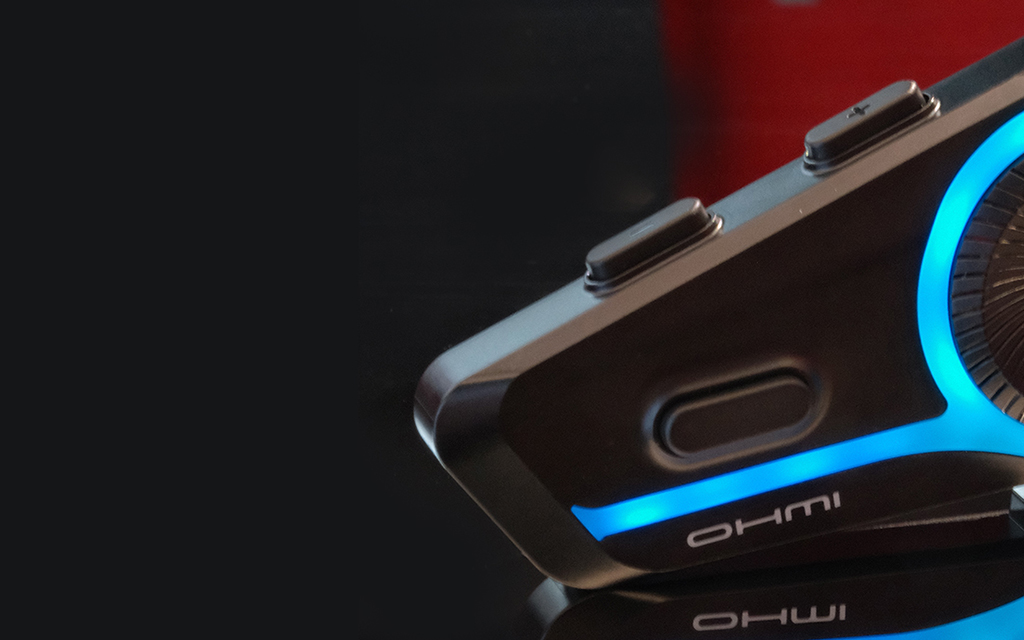
Follow OHMIEX Intelligence for more valuable information to know early
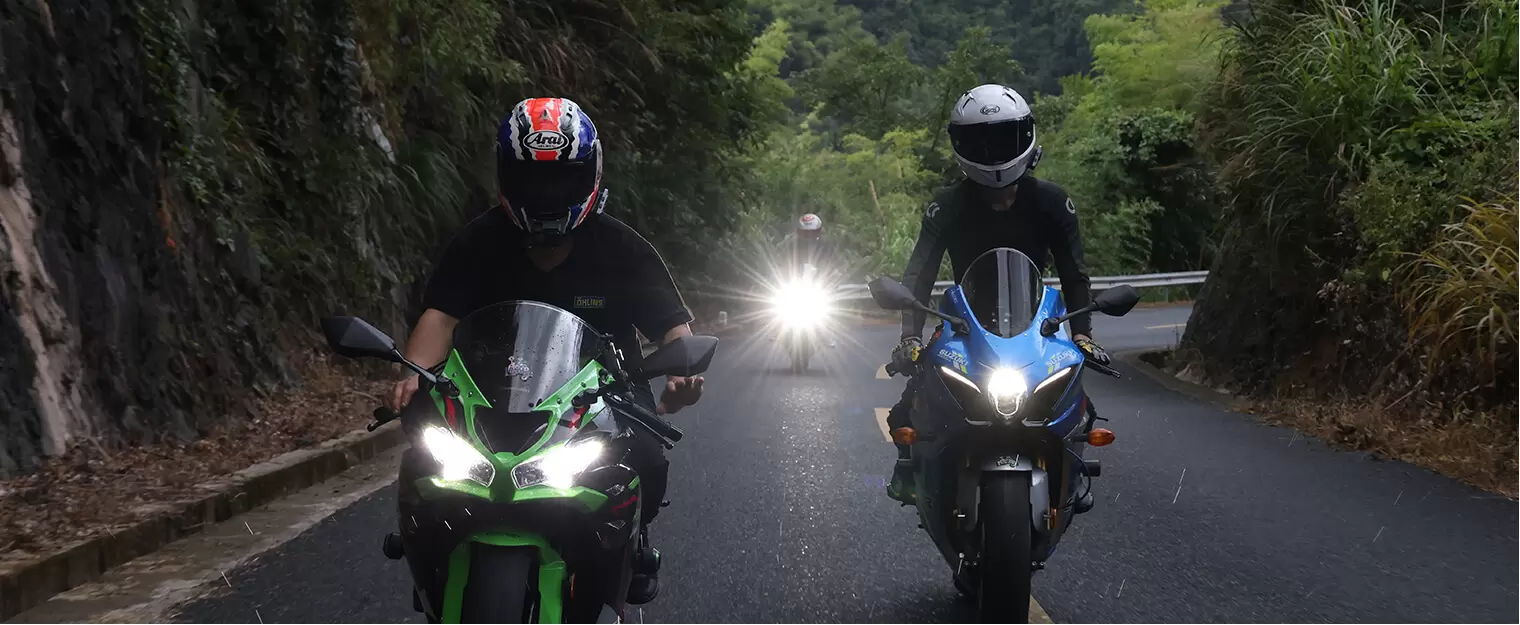
The motorcycle communication device industry is undergoing a noticeable transition. Over the past few years, many helmet Bluetooth communicator products were designed with an emphasis on specification expansion—more functions, more modes, and more connectivity options. However, field feedback from riders, distributors, and helmet brands indicates a different direction in 2026: practical performance is replacing feature complexity.
For most end users, especially long-distance riders, touring groups, and daily commuters, the decision criteria for a helmet Bluetooth communicator are becoming increasingly focused. The modern rider is no longer asking “what else can this device do,” but instead:
Does it connect instantly without repeated pairing failures
Is the intercom stable at highway speeds
Can it effectively handle wind and road noise
Will it remain comfortable during long riding sessions
Is it reliable in weather exposure and battery endurance
This shift directly positions the wind noise reduction helmet headset as a core category requirement rather than a premium feature.
For OEMs, brand owners, and distributors, this evolution is equally important. It means product competitiveness is no longer defined by software complexity, but by acoustic engineering, RF stability, ergonomic design, and manufacturing consistency.

Wind noise is the primary factor that degrades rider communication experience. At speeds above 60 km/h, aerodynamic turbulence around the helmet creates broadband noise that interferes with both microphone input and speaker output. Without proper engineering, even high-end Bluetooth systems become difficult to use in real-world riding conditions.
A high-performance wind noise reduction helmet headset must address three technical layers:
The microphone system must integrate directional pickup technology and adaptive filtering. This typically includes:
Beamforming or semi-directional microphone arrays
Physical windproof sponge and acoustic mesh structures
DSP-based noise gate and frequency filtering
Voice activation thresholds tuned for riding environments
The goal is to isolate human voice frequencies while suppressing turbulent airflow noise.
Wind noise is not only a digital problem but also a mechanical one. The headset housing must reduce direct airflow impact through:
Streamlined external casing design
Recessed microphone positioning
Shock-absorbing mounting structures
Helmet-integrated cable routing (for certain OEM models)
A poorly designed housing can increase wind noise regardless of software filtering capability.
Modern systems rely on embedded DSP algorithms that continuously adjust audio gain based on riding conditions:
Dynamic noise suppression curves
Echo cancellation for intercom mode
Automatic gain control (AGC)
Multi-band equalization for voice clarity
These functions must be optimized for latency. Excessive processing delay directly affects intercom usability.
Across global markets, user expectations are converging toward a clear product philosophy:
Riders do not want multi-step configuration processes. A competitive helmet communicator must support:
One-click or automatic pairing
Stable reconnection after power cycling
Multi-device memory pairing
Cross-brand compatibility for mainstream helmets
Group communication remains one of the most critical use cases. A reliable system must ensure:
Continuous intercom connection at highway speeds
Minimal signal dropout in urban environments
Scalable group pairing architecture
Low latency voice transmission
Ergonomic performance is often underestimated but decisive:
Lightweight module design
Balanced helmet mounting structure
Heat-resistant and sweat-resistant materials
Button design suitable for glove operation
Field conditions require durability:
IP-rated waterproof sealing
Stable lithium battery performance under temperature variation
Efficient power management for extended riding sessions
Fast charging capability for touring use cases
These requirements define the foundation of modern helmet communication products more than any feature list.
As a specialized factory in helmet Bluetooth communication systems, we focus on providing OEM and ODM manufacturing services for global brands and distributors. Our role is not limited to assembly; we support full-cycle product development from concept to mass production.
For customers seeking differentiated products, we provide:
Industrial design (ID) adaptation for different helmet types
Acoustic system tuning based on target market noise profiles
PCB layout optimization for compact integration
Firmware customization for pairing logic and intercom protocols
Brand-specific UI voice prompts and interaction logic
We help transform a product concept into a manufacturable, scalable solution.
For established brands, we support stable production with:
Consistent component sourcing
Strict process control in SMT and assembly lines
Firmware version locking for product stability
Packaging customization aligned with brand identity
Batch traceability and quality documentation
The goal is to ensure each production run matches approved engineering standards without deviation.
In our manufacturing process, wind noise reduction helmet headset development is not treated as a single feature, but as a system-level design challenge.
We integrate three core engineering disciplines:
We test microphone response curves under simulated wind tunnel conditions and real-road scenarios. This ensures voice clarity remains stable across speed ranges.
We optimize Bluetooth transmission architecture to minimize interference between helmet-mounted devices, especially in multi-rider environments.
We design mounting structures that reduce vibration and prevent airflow resonance inside helmet cavities.
This integrated approach ensures that wind noise reduction is not dependent on software alone, but is reinforced at every structural level.

To support global distribution requirements, our production process includes multi-stage testing:
High and low temperature cycling tests
Continuous intercom endurance testing
Wind simulation noise testing
Drop and vibration resistance tests
Waterproof sealing validation
Battery aging and charge-discharge cycle testing
Each wind noise reduction helmet headset unit is validated before shipment to ensure consistent user experience across batches.
Our products are widely applied in:
Motorcycle touring and adventure riding
Urban commuting communication systems
Motorcycle taxi and delivery fleets
Motorcycle training schools
OEM helmet integration projects for helmet brands
For distributors, this provides flexibility to serve both consumer retail and commercial fleet markets.
The helmet communication market is becoming more competitive, but also more standardized in expectations. Brands that succeed are those that can deliver stable performance, controlled costs, and fast product iteration cycles.
As a factory specializing in OEM/ODM manufacturing, we provide:
Direct factory pricing without unnecessary intermediaries
Engineering support for product differentiation
Scalable production capacity for global orders
Long-term component supply stability
Fast customization cycles for market responsiveness
We understand that distributors and brand owners are not only buying a product—they are building a long-term product line.
If your business is looking to expand into the helmet communication market or upgrade your existing product line, we are open to OEM and ODM cooperation opportunities.
We can support:
Private label helmet Bluetooth communicator development
Custom wind noise reduction helmet headset design
Regional distribution product optimization
Bulk supply for retail and fleet channels
Our engineering and production teams are prepared to work closely with partners to develop solutions that match real market needs, not over-engineered specifications.
The evolution of helmet communication systems is no longer driven by feature expansion, but by real-world usability. The wind noise reduction helmet headset has become a defining product category because it directly addresses the core challenge of rider communication: clarity in motion.
For brands and distributors, success depends on working with manufacturers who understand both engineering constraints and market expectations.
Simplicity, stability, and reliability are no longer optional—they are the foundation of next-generation helmet communication products.



 Email
Email WhatsApp